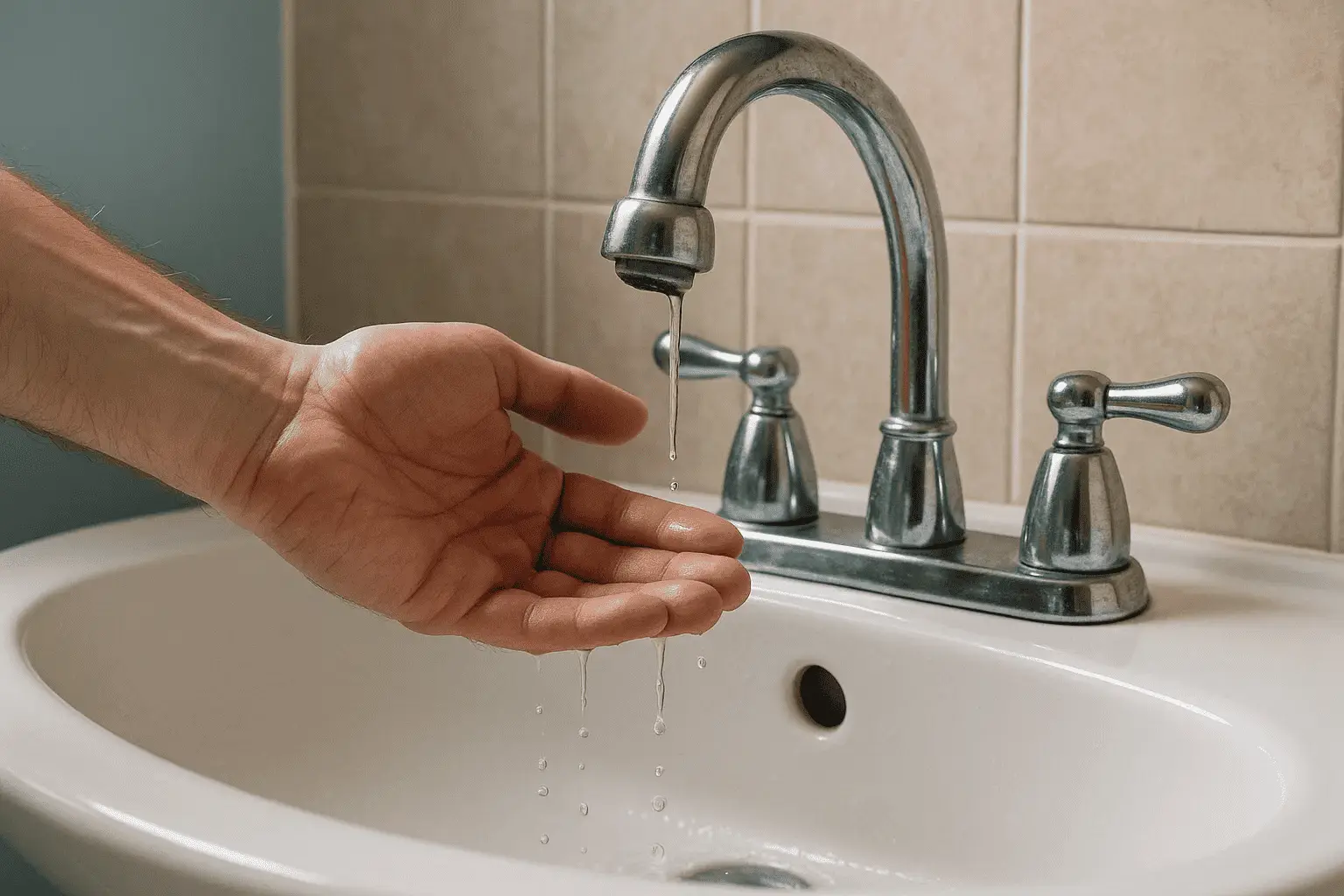

Low water pressure often starts inside the home, not at the main supply. Subtle leaks, corroded or mineral-clogged pipes, and sediment buildup add resistance. Pressure may drop across fixtures and branches, or be blamed on blocked aerators and faulty valves. A practical approach checks pipes, fixtures, and supply for leaks, clogs, and valve settings. DIY fixes exist, but persistent or widespread issues point to a licensed plumber. The key is identifying where the flow is constricted, then choosing the right next step.
What Causes Low Water Pressure in Homes
Low water pressure in a home typically results from issues within the local plumbing rather than the main supply. Subtle leaks, corroded pipes, and sediment buildup create resistance that reduces flow. Pressure drops occur across fixtures and branches as water struggles to reach outlets. Blocked aerators and faulty valves exacerbate the effect, wasting energy and limiting usable water.
How to Diagnose the Source: Pipes, Fixtures, and Supply
To pinpoint the source of low water pressure, the diagnostic process quickly separates three areas: pipes, fixtures, and supply.
In pipes, check for corrosion, mineral buildup, or leaks; assess pipe dittings and flow restrictions.
In fixtures, inspect aerators and cartridges for debris.
For supply, verify pressure regulator settings and service line cleanliness to ensure consistent, adequate delivery of water.
DIY Fixes You Can Try Today
DIY fixes can address common causes identified earlier in the diagnostic process.
The guide presents straightforward actions: check for filters and aerators, clean mineral buildup, inspect showerheads, and tighten loose connections.
Perform measured water flow tweaks at faucets and pressure valves.
Each step minimizes disruption while restoring efficiency.
DIY fixes emphasize safety, documentation, and deliberate testing to confirm improved water flow tweaks.
When to Call a Pro: Signs It’s Time for Expert Help
There comes a point when professional intervention becomes prudent: if low water pressure persists despite DIY adjustments, or if multiple fixtures are affected simultaneously, a licensed plumber should assess the system. Recognizing low pressure symptoms enables timely expert intervention, preventing further damage.
A pro can diagnose hidden issues, propose targeted fixes, and restore consistent flow, ensuring reliable, freedom-ready water performance.
Frequently Asked Questions
Can Low Water Pressure Affect Both Hot and Cold Lines Equally?
Yes, low pressure can affect hot and cold similarly, but differences may arise from fixture aerator issues, clogged mixers, or bypass valve issues. A practical check includes aerator cleaning, assessing bypass valve issues, and testing each line for balanced flow.
Do Pressure Regulators Wear Out Over Time and Cause Drops?
Pressure regulators wear out, causing gradual pressure drops; yes, they can degrade over time. In practical terms, home water testing reveals reduced flow, and replacements restore steady performance, granting homeowners practical, sustained freedom from inconsistent pressure, like a released valve.
Can Mineral Buildup in Pipes Mimic a Main Supply Issue?
Mineral buildup can resemble a main supply issue by narrowing pipes and restricting flow; however, it is not a true main problem. Practical steps include measuring pressure, inspecting desks, flushing lines, and considering descaling or professional treatment as needed.
Will Irrigation Systems Impact Indoor Water Pressure Simultaneously?
A striking 60% of homeowners notice concurrent indoor pressure shifts when irrigation runs; irrigation effects can momentarily drop indoor pressure. The analysis shows careful zoning and pressure regulation maintain stable indoor pressure, even during irrigation peaks, with practical adjustments.
How Long Does It Take to Notice Improvement After Fixes?
The improvement appears within hours to days after fixes; timing differences arise from system complexity and household usage. Unrelated topic considerations may influence perception of speed, yet practical fixes yield measurable gains as pressure stabilizes over time.
Conclusion
Low water pressure usually hides in the home’s plumbing rather than the main supply. By inspecting pipes, fixtures, and the water source, simple fixes—cleaning aerators, flushing minerals, tightening connections, and adjusting valves—can restore flow. If pressure remains weak or is widespread, a licensed plumber is needed to assess for leaks, corrosion, or scaling. In short, diagnose methodically, act promptly, and don’t hesitate to call for professional help when the problem persists, lest small issues become costly. The takeaway: fix smart, fix now.


 By
By