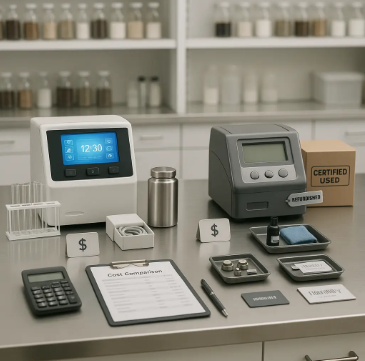

Transcranial Magnetic Stimulation (TMS) therapy is gaining traction as a viable solution for individuals struggling with depression and other mental health conditions. However, the cost involved can be a significant barrier for many patients seeking treatment. Understanding and evaluating the TMS Therapy Cost is crucial for maximizing treatment accessibility. This article explores the key factors influencing TMS pricing, compares costs across providers, discusses affordability strategies, and examines how insurance and financing can enhance accessibility.
Evaluating TMS Therapy Cost: An Overview of Factors Influencing Pricing
Several factors contribute to the cost of TMS therapy, including the clinic’s location, the expertise of the healthcare provider, and the technology used. For instance, clinics utilizing advanced Clinical Decision Support Systems (CDSS) may offer more precise treatments, potentially influencing pricing. Additionally, the number of sessions required and the patient’s specific medical needs can impact the overall cost. Understanding these factors helps patients make informed decisions regarding their treatment plan.
Moreover, the integration of Electronic Health Record (EHR) Interoperability can streamline the treatment process, potentially reducing administrative costs. Clinics that participate in Health Information Exchange (HIE) networks may offer more competitive pricing through shared resources. Patients should consider these elements when evaluating TMS Therapy Costs.
Ultimately, the adoption of Evidence-Based Practice (EBP) in treatment protocols ensures that patients receive effective and efficient care, which can also affect pricing structures. Clinics committed to such practices may justify higher costs through proven treatment efficacy.
Comparing TMS Therapy Costs Across Different Providers
Comparing TMS Therapy Costs across various providers is essential in identifying the most cost-effective option. Providers located in urban areas may charge higher rates due to increased overheads, while those in rural areas might offer more competitive pricing. Additionally, clinics that offer advanced care planning (ACP) services can provide tailored treatment plans that may impact costs.
Patients should also consider the provider’s utilization review process, which ensures treatments are necessary and appropriate. This review can affect the number of sessions required, thus influencing overall costs. A thorough comparison should include these factors to ensure patients receive value for their investment.
Furthermore, examining the provider’s Medical Loss Ratio (MLR) can offer insights into how much of the clinic’s revenue is spent on patient care versus administrative expenses. Providers with a favorable MLR may offer better pricing and more accessible treatment options.
Strategies to Make TMS Therapy More Affordable
There are several strategies to make TMS therapy more affordable for patients. One effective approach is looking for clinics that operate under the Value-Based Care Model, which focuses on delivering high-quality care at reduced costs. This model incentivizes providers to offer efficient and effective treatment options.
Additionally, clinics that incorporate Integrated Behavioral Health services can address multiple patient needs within a single facility, potentially lowering costs through bundled services. Patients should inquire about potential savings from such integrated care approaches.
Moreover, engaging with clinics that emphasize Population Health Management can lead to more personalized and cost-effective treatment plans. This approach considers the Social Determinants of Health (SDOH), ensuring that each patient’s unique circumstances are addressed, which can influence pricing and accessibility.
Enhancing Accessibility Through Insurance Coverage and Financing Options
Insurance coverage plays a pivotal role in enhancing the accessibility of TMS therapy. Patients should verify whether their health plan covers TMS treatment, as this can significantly reduce out-of-pocket expenses. Additionally, clinics offering financing options can alleviate the financial burden, making treatment more accessible.
Clinics that utilize Patient Activation Measure (PAM) tools can guide patients in understanding and managing their health, potentially improving treatment outcomes and reducing costs. These tools empower patients to be more proactive in their care, leading to more informed decisions about financing options.
Recent reports from Health Affairs indicate that insurance companies are increasingly recognizing the benefits of TMS therapy, leading to broader coverage. Patients should explore these opportunities to maximize accessibility.
Conclusion
Evaluating TMS Therapy Costs is vital for maximizing treatment accessibility for patients struggling with mental health conditions. By understanding pricing factors, comparing costs across providers, exploring affordability strategies, and leveraging insurance and financing options, patients can access effective and affordable TMS therapy. This informed approach empowers patients to make the best decisions for their health and wellness journey.


 By
By


 By
By