
Marine environments place unusual demands on upholstery materials. Constant exposure to moisture, sunlight, changing temperatures, and regular use can cause ordinary fabrics and materials to deteriorate quickly. Whether the application involves boat seating, cushions, outdoor furniture, or decorative panels, selecting a suitable covering material is essential for maintaining appearance and usability over time.
For manufacturers, boat owners, marine furniture specialists, and upholstery professionals, material selection should consider more than appearance. Resistance to environmental conditions, ease of maintenance, flexibility, durability, and suitability for the intended application all contribute to a successful result.
Why Marine Applications Need Specialized Materials
A boat or outdoor marine space is exposed to conditions that are very different from those found indoors. Humidity and water can repeatedly affect upholstery, while sunlight can contribute to fading and surface deterioration.
Saltwater environments may create additional challenges. Materials used around boats therefore need to be selected with their surroundings in mind.
Using a material specifically developed for demanding outdoor applications can help reduce maintenance requirements and extend the useful life of upholstery.
See also: Tote Bag Buying Guide: Finding the Right Fit for Your Lifestyle
Important Properties to Consider
When evaluating marine upholstery materials, several characteristics should be considered.
Water resistance
Moisture is one of the primary concerns in marine environments. Seating and cushions may come into contact with splashes, rain, condensation, or damp clothing.
A material with suitable water-resistant characteristics can make routine cleaning and maintenance easier.
Resistance to sunlight
Outdoor marine furniture can remain exposed to sunlight for extended periods. UV exposure can affect color and surface appearance over time.
For this reason, UV resistance should be included among the specifications reviewed before choosing a material.
Durability
Marine seating is often used frequently, particularly on recreational boats. The covering needs to tolerate repeated contact, movement, and everyday wear.
Durability is especially important for high-use areas such as seating surfaces and cushions.
Artificial Materials for Marine Upholstery
Synthetic materials are commonly considered for marine upholstery because they can offer practical characteristics for outdoor environments.
Compared with some natural materials, synthetic alternatives can be designed with specific performance requirements in mind. Depending on the construction, they may provide resistance to moisture, stains, abrasion, and environmental exposure.
However, not every synthetic material has the same properties. Buyers should review the technical specifications instead of assuming that all artificial leather products are suitable for marine use.
For projects requiring an outdoor covering material, marine grade artificial leather can be reviewed as one option when comparing materials for marine environments.
Choosing According to the Application
The best material depends on where it will be installed.
Boat seats require a material that can handle repeated sitting and movement. Cushions may require different construction characteristics, particularly where moisture exposure is expected.
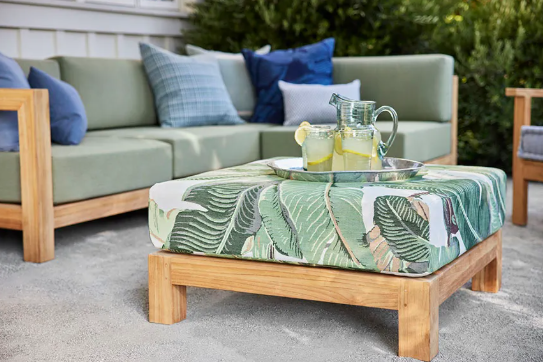
Outdoor furniture around pools, terraces, and recreational areas may also benefit from materials designed for exterior use.
Before ordering, identify the exact application and communicate the expected conditions to the supplier.
Color and Design
Performance is important, but appearance also matters.
Marine upholstery is often part of the overall design of a boat or outdoor space. Colors, textures, and finishes can be selected to complement the surrounding interior or exterior.
When choosing lighter colors, maintenance and stain visibility should be considered. Darker surfaces may have different heat and appearance characteristics when exposed to strong sunlight.
The design should therefore be evaluated together with practical requirements.
Cleaning and Maintenance
Even highly durable upholstery requires regular care.
Dust, food, salt residue, sunscreen, and other contaminants can accumulate on marine seating. Regular cleaning can help maintain the appearance of the material.
Cleaning products should always be compatible with the selected material. Harsh chemicals or unsuitable methods may damage the surface.
A simple maintenance routine can help preserve the material and reduce the need for premature replacement.
Installation Quality
Material quality alone does not guarantee a successful upholstery project.
The material should be properly measured, cut, stitched, and installed. Seams and attachment points deserve particular attention because they can experience repeated stress during use.
Professional installation can also help create a cleaner finished appearance and reduce unnecessary material waste.
Frequently Asked Questions
1. What should I look for in marine upholstery material?
Consider water resistance, UV resistance, durability, abrasion resistance, cleaning requirements, flexibility, and suitability for the intended application.
2. Is artificial leather suitable for boats?
Some artificial leather products are specifically designed for outdoor or marine applications. Always check the manufacturer’s specifications before selecting a material.
3. How can marine upholstery last longer?
Regular cleaning, suitable maintenance products, proper installation, and protection from unnecessary environmental exposure can help extend its service life.
Conclusion
Choosing upholstery for a marine environment requires careful consideration of both performance and appearance. Moisture, sunlight, salt, frequent use, and outdoor exposure can place significant demands on materials.
By comparing technical specifications, selecting a material designed for the intended environment, and following appropriate maintenance practices, boat owners and upholstery professionals can create attractive and practical seating solutions that are better suited to marine conditions.


 By



 By