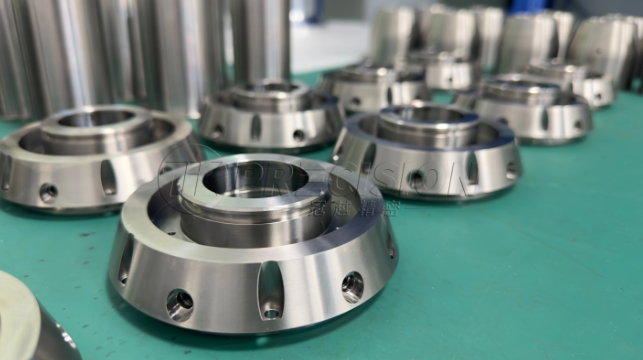

Modern engineering increasingly depends on materials that can perform reliably while meeting demanding requirements for weight, strength, corrosion resistance, and durability. As industries develop lighter and more efficient products, engineers continue to evaluate specialized alloys for applications where conventional metals may not provide the desired combination of properties.
Titanium alloys are particularly valuable in this area. They can offer an attractive balance between relatively low density, mechanical performance, and resistance to challenging environments. One alloy family that receives attention in specialized engineering applications is Ti-3Al-2.5V.
Why Titanium Alloys Matter
Titanium is not a single material with identical characteristics across every application. Different alloy compositions are developed to achieve particular combinations of properties.
Alloying elements can influence strength, ductility, formability, corrosion resistance, and manufacturing behavior. This means that selecting a titanium alloy should begin with the requirements of the final application rather than simply choosing titanium as a general material category.
For designers, understanding the characteristics of an alloy can help them make more informed decisions during product development.
A Closer Look at Ti-3Al-2.5V
The alloy commonly identified as Ti-3Al-2.5V contains aluminum and vanadium as its primary alloying additions. It is known for a useful balance of strength, ductility, and formability.
The material is often considered for tubing and other applications where designers need a combination of mechanical performance and relatively low weight.
For engineers researching 3Al2 5V the exact specification and manufacturing condition should always be reviewed before determining whether the alloy is appropriate for a particular application.
See also: Tote Bag Buying Guide: Finding the Right Fit for Your Lifestyle
Importance of Weight Reduction
Weight reduction is an important engineering objective in many industries.
Reducing component mass can contribute to improved efficiency, easier handling, and lower overall system weight. This is particularly valuable in aerospace, transportation, motorsports, and other applications where every kilogram can influence system performance.
Titanium alloys can be useful in these situations because titanium generally has a lower density than many conventional steels while retaining valuable mechanical characteristics.
However, weight should never be considered separately from strength and durability requirements.
Mechanical Performance
A material selected for an engineering component must withstand the loads expected during service.
The relevant conditions may include tension, compression, vibration, fatigue, pressure, and repeated loading. Engineers therefore need reliable material data before designing a component.
The specific properties of Ti-3Al-2.5V can make it suitable for selected applications, but the final decision should be based on the complete design specification.
Tubing Applications
One area where this alloy can be particularly relevant is tubing.
Tubing systems may need to transport fluids or gases while also meeting strict dimensional and weight requirements. In transportation and aerospace applications, reducing tube weight can contribute to overall system efficiency.
The manufacturing process also matters. Tube diameter, wall thickness, surface condition, tolerances, and joining method must all be compatible with the intended use.
Corrosion Resistance
Environmental exposure can strongly influence material selection.
Components may encounter moisture, chemicals, salt, temperature changes, or other potentially damaging conditions. Titanium and its alloys are known for strong corrosion resistance in many environments.
This characteristic can contribute to longer service life and reduced maintenance in suitable applications.
Nevertheless, engineers should evaluate the actual operating environment rather than assuming that a material is suitable for every chemical or temperature condition.
Manufacturing Considerations
The performance of an alloy depends not only on its chemical composition but also on how it is manufactured.
Forming, machining, welding, heat treatment, and finishing can influence the final properties of a component.
Manufacturers should therefore have appropriate knowledge of the selected titanium alloy and the requirements associated with the intended product.
Quality Control
For specialized alloy products, quality control is an essential part of manufacturing.
Buyers may need information about chemical composition, dimensions, mechanical properties, surface condition, and inspection procedures.
Clear documentation can support traceability and help engineers confirm that the supplied material matches the project specification.
Selecting the Right Grade
Engineers should avoid selecting a titanium alloy based only on a general product description.
The appropriate material depends on factors such as:
- Required mechanical properties
- Operating temperature
- Environmental exposure
- Formability
- Joining requirements
- Component geometry
- Weight limitations
- Applicable standards
A complete evaluation provides a stronger basis for material selection.
FAQs
1. What is Ti-3Al-2.5V?
Ti-3Al-2.5V is a titanium alloy containing aluminum and vanadium and is commonly considered for applications requiring a balance of strength, ductility, and relatively low weight.
2. Why are titanium alloys used in tubing?
They can provide useful mechanical properties, corrosion resistance, and weight efficiency, depending on the specific alloy and application.
3. Is every titanium alloy suitable for the same application?
No. Titanium alloys have different compositions and properties, so material selection should be based on the actual engineering requirements.
Conclusion
Advanced titanium alloys can provide valuable options for modern engineering projects where weight, durability, corrosion resistance, and mechanical performance must be balanced. Ti-3Al-2.5V is one example of an alloy that can be considered for specialized applications, particularly tubing.
The best results come from evaluating the complete application, selecting the appropriate material specification, and working with a manufacturer capable of maintaining consistent quality throughout production.


 By



 By